The National Agency for the Prohibition of Trafficking in Persons (NAPTIP), in collaboration with the International Centre for Migration Policy Development (ICMPD) and the Government of the Netherlands, has initiated a training program aimed at equipping investigators and prosecutors in Nigeria with the necessary skills to combat technology-driven human trafficking and violence against persons (VAP).
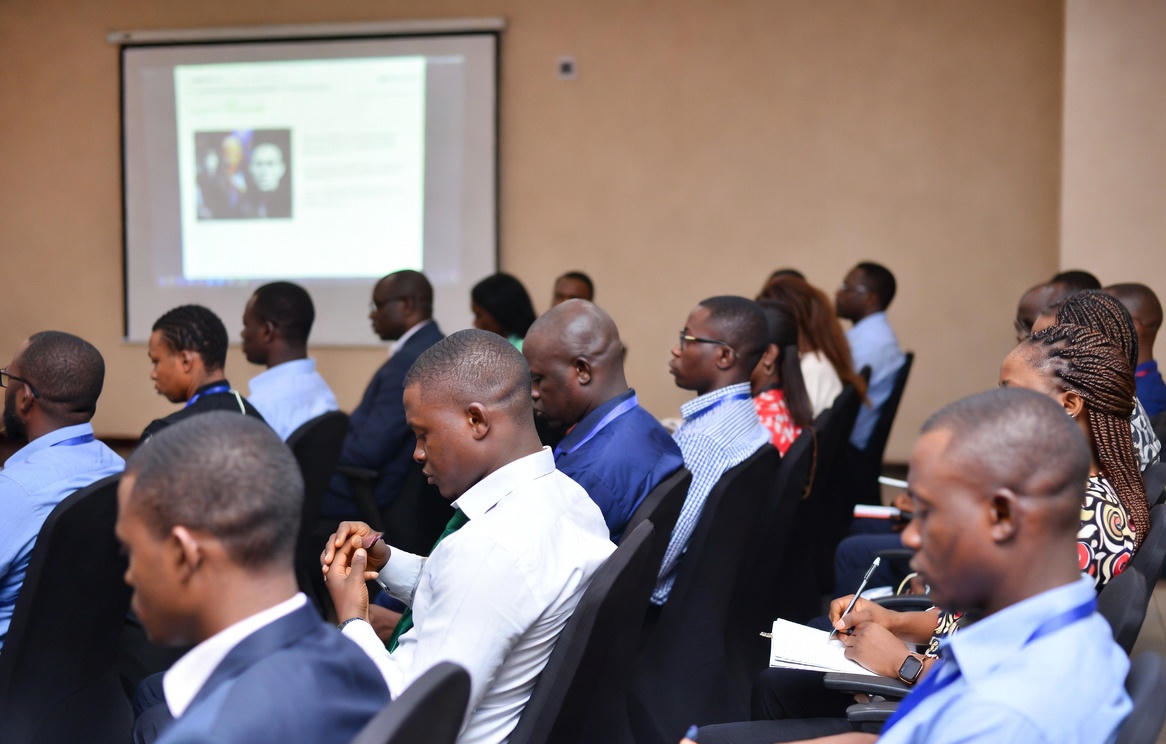
The training, which took place in Lagos, focused on the increasing role of technology in facilitating human trafficking, including the use of social media and online platforms for recruitment and exploitation. Participants included law enforcement officials, legal practitioners, and representatives from civil society organizations.
According to NAPTIP, the rise of technology has transformed the landscape of human trafficking, making it imperative for investigators and prosecutors to adapt their strategies and tools. The agency emphasized that understanding the digital methods employed by traffickers is crucial for effective intervention and prosecution.

The program featured a series of workshops and interactive sessions led by experts from the Netherlands and ICMPD, who shared best practices and innovative approaches to tackling trafficking in the digital age. Topics covered included digital forensics, online investigation techniques, and the legal implications of technology in trafficking cases.
In her opening remarks, the Director-General of NAPTIP, Dr. Fatima Waziri-Azi, highlighted the importance of collaboration between countries to address the transnational nature of human trafficking. She stated, “The fight against human trafficking requires a multi-faceted approach, and the integration of technology into our law enforcement strategies is essential. This training will empower our investigators and prosecutors to effectively combat these crimes.”
The training also aimed to foster partnerships between Nigerian law enforcement and international agencies, enhancing information sharing and cooperative efforts in tackling trafficking networks. Participants were encouraged to engage in discussions about the challenges they face in their work and to share experiences that could lead to improved practices.
The Netherlands has been recognized for its progressive stance on human trafficking and has implemented various initiatives to combat this issue. The collaboration with NAPTIP is part of a broader effort to support Nigeria in strengthening its legal and institutional frameworks against trafficking.
The ICMPD, an intergovernmental organization, has been actively involved in providing technical assistance and capacity-building programs in various countries, focusing on migration and security issues. The organization’s involvement in this training underscores the importance of international cooperation in addressing complex migration challenges.
As technology continues to evolve, the methods used by traffickers are also becoming more sophisticated. The training program is seen as a critical step in ensuring that Nigerian law enforcement is prepared to meet these challenges head-on.
In conclusion, the collaboration between NAPTIP, ICMPD, and the Netherlands government represents a significant investment in the future of Nigeria’s fight against human trafficking. By equipping investigators and prosecutors with the necessary skills and knowledge, the initiative aims to enhance the overall effectiveness of law enforcement in protecting vulnerable populations and bringing traffickers to justice.