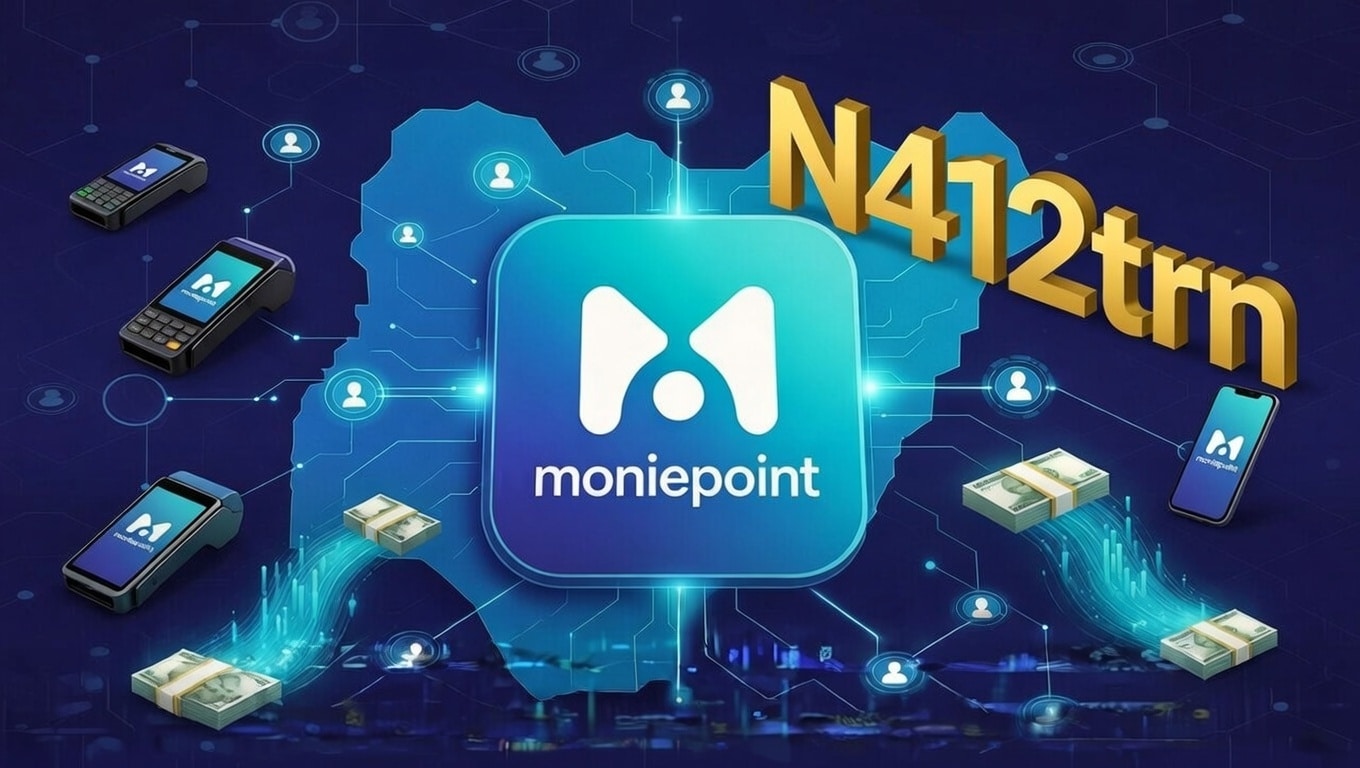
Moniepoint, a prominent player in Nigeria’s payment processing sector, has reported processing a staggering N412 trillion in payments, reinforcing its position as a leader in the country’s retail transaction landscape. This figure highlights the growing reliance on digital payment solutions among Nigerian consumers and businesses alike.
The company, which has rapidly expanded its services since its inception, has become a critical player in facilitating electronic transactions across various sectors. Moniepoint’s platform allows merchants to accept payments through multiple channels, including mobile wallets, bank transfers, and card payments, catering to the diverse needs of Nigerian consumers.
According to industry analysts, Moniepoint’s impressive transaction volume is indicative of the broader trend towards digitalization in Nigeria’s economy. As more consumers opt for cashless transactions, the demand for reliable payment processing solutions has surged. Moniepoint’s ability to handle such a high volume of transactions positions it favorably against competitors in the market.

The company’s growth can be attributed to several factors, including its user-friendly interface, robust security measures, and a wide range of services that appeal to both small and large businesses. Moniepoint has also invested in technology to enhance its platform, ensuring that it remains competitive in an ever-evolving digital landscape.
In addition to processing payments, Moniepoint offers various financial services, including loans and savings products, which further solidify its role in the financial ecosystem. This diversification of services has allowed the company to attract a broader customer base, from individual entrepreneurs to large corporations.
The Nigerian retail market has seen a significant shift towards digital payments, driven by increased smartphone penetration and internet access. As consumers become more accustomed to using digital wallets and online payment systems, companies like Moniepoint are well-positioned to capitalize on this trend.
Furthermore, the Nigerian government has been promoting cashless transactions as part of its broader economic strategy, aiming to reduce the reliance on cash and improve financial inclusion. Initiatives such as the Central Bank of Nigeria’s cashless policy have encouraged businesses and consumers to adopt digital payment methods, further benefiting companies like Moniepoint.
Despite the challenges posed by economic fluctuations and regulatory changes, Moniepoint’s resilience and adaptability have allowed it to thrive in a competitive environment. The company’s commitment to innovation and customer service has garnered it a loyal user base, contributing to its impressive transaction figures.
As Moniepoint continues to expand its reach and enhance its offerings, industry observers will be watching closely to see how it navigates the evolving landscape of digital payments in Nigeria. The company’s ability to maintain its dominance will depend on its capacity to innovate and respond to the changing needs of consumers and businesses alike.
In conclusion, Moniepoint’s processing of N412 trillion in payments underscores its significant role in Nigeria’s retail transactions and highlights the ongoing shift towards digital payment solutions in the country. With the continued growth of e-commerce and digital finance, Moniepoint is likely to remain a key player in shaping the future of payments in Nigeria.