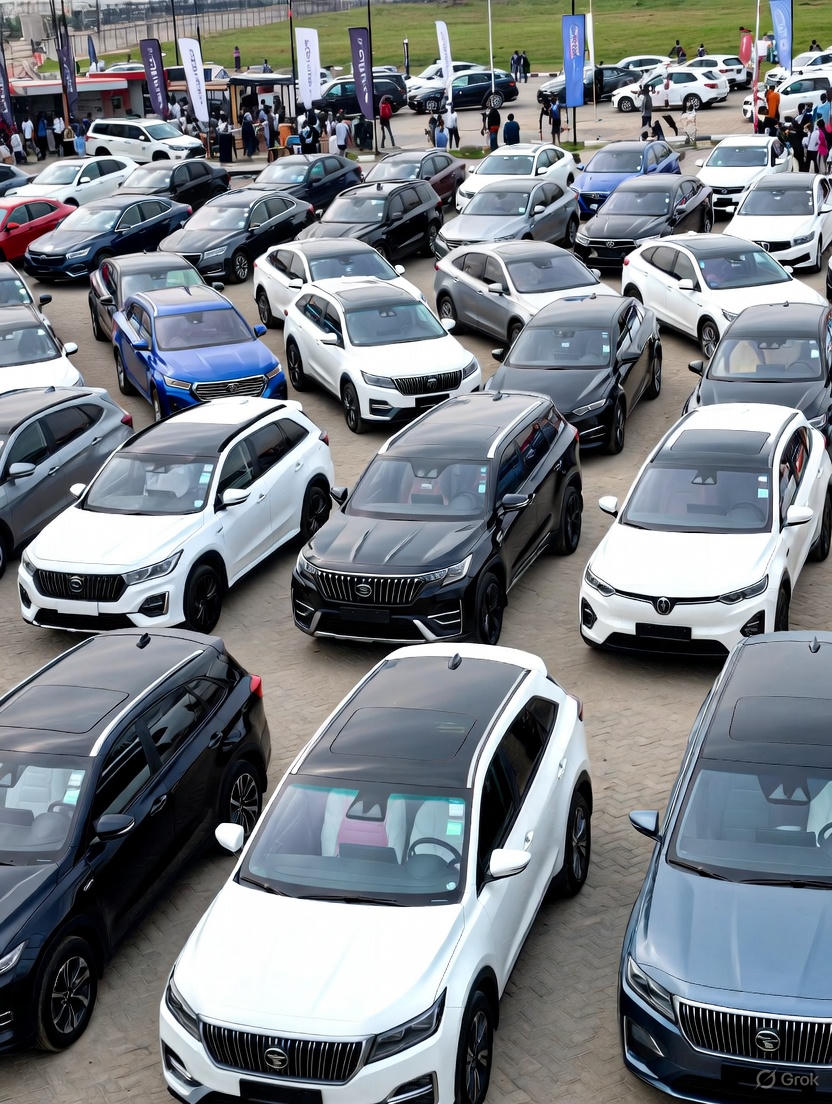
The Abuja International Motor Fair, held from October 10 to 15, 2023, has highlighted a significant shift in Nigeria’s automotive market towards hybrid and technology-focused SUVs. This year’s event attracted numerous local and international manufacturers, showcasing a variety of vehicles that emphasize sustainability and advanced technology.
As global concerns about climate change and fuel efficiency continue to rise, Nigerian consumers are increasingly interested in hybrid vehicles. Many exhibitors at the fair presented models that combine traditional internal combustion engines with electric power, aiming to reduce emissions and improve fuel economy.
One of the key highlights was the unveiling of several new hybrid SUV models by both established brands and emerging manufacturers. Companies like Toyota, Honda, and local firms such as Innoson Vehicle Manufacturing displayed their latest offerings, which feature advanced technology and eco-friendly designs.

Toyota’s new hybrid SUV, the RAV4 Hybrid, received particular attention for its fuel efficiency and innovative safety features. Similarly, Honda showcased its CR-V Hybrid, which promises to deliver a blend of performance and environmental responsibility.
In addition to hybrid models, the fair also emphasized the integration of technology in vehicles. Many manufacturers presented SUVs equipped with smart features such as advanced driver-assistance systems (ADAS), infotainment systems, and connectivity options that cater to the tech-savvy consumer.
The rise of technology-focused vehicles aligns with Nigeria’s growing digital landscape, where consumers are increasingly looking for vehicles that offer both functionality and modern conveniences. The introduction of features like smartphone integration, voice recognition, and enhanced navigation systems reflects this trend.
Industry experts noted that the shift towards hybrid and tech-focused SUVs is not only a response to consumer demand but also a strategic move to comply with international environmental standards. As Nigeria aims to reduce its carbon footprint, the automotive sector is adapting by investing in cleaner technologies.
“The future of the automotive industry in Nigeria is undoubtedly leaning towards hybrid and electric vehicles,” said Dr. Chijioke Nwankwo, an automotive analyst. “With the government’s push for sustainability and the increasing awareness among consumers, we expect to see more manufacturers entering this space.”
The fair also served as a platform for discussions on the challenges facing the Nigerian automotive industry, including infrastructure issues, high import tariffs, and the need for better financing options for consumers. Stakeholders emphasized the importance of government support in creating a conducive environment for the growth of the hybrid and electric vehicle market.
In addition to showcasing vehicles, the event featured seminars and workshops aimed at educating consumers about the benefits of hybrid technology and the importance of sustainable practices in the automotive sector.
As the fair concluded, many participants expressed optimism about the future of Nigeria’s automotive market. The growing interest in hybrid and tech-focused SUVs indicates a shift in consumer preferences, which could lead to a more sustainable and technologically advanced automotive landscape in the country.
Overall, the Abuja International Motor Fair has underscored the evolving nature of Nigeria’s auto market, with hybrid and technology-driven vehicles at the forefront of this transformation.