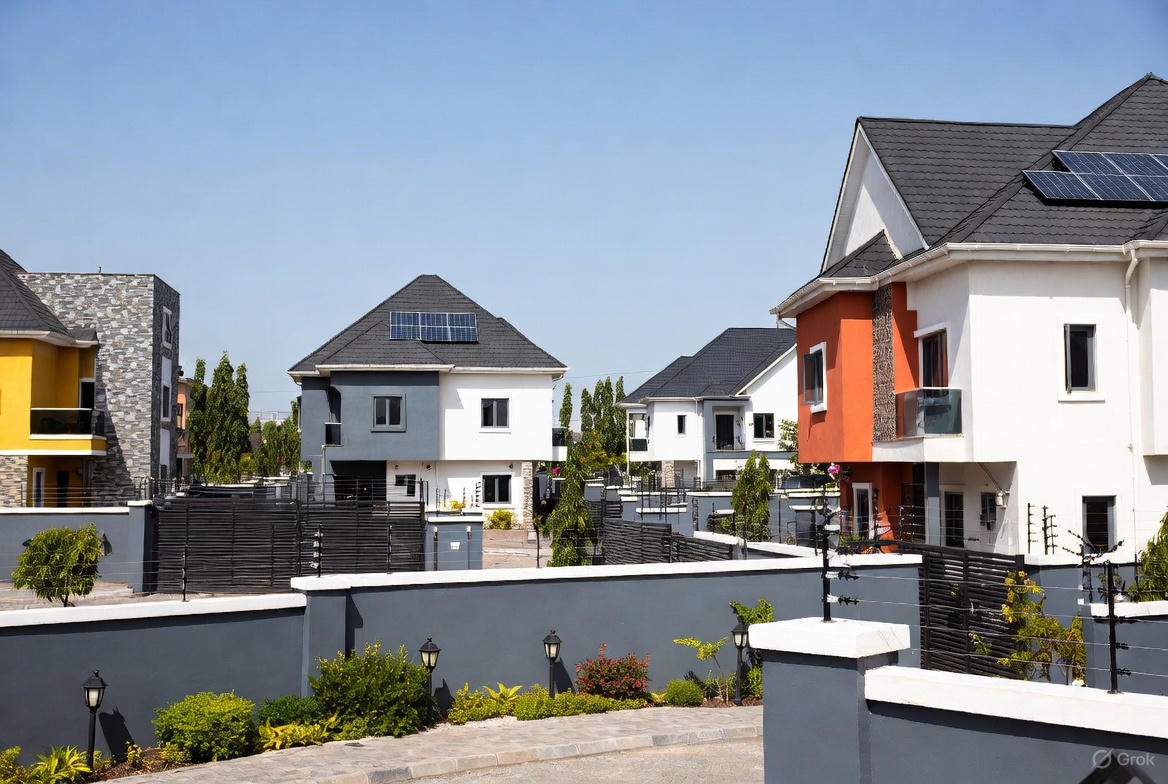
In recent years, homeowners in Nigeria have increasingly turned to smart home automation technologies as a solution to ongoing challenges related to power supply and security. With frequent power outages and rising concerns about safety, many Nigerians are seeking innovative ways to enhance their living environments.
The Nigerian power sector has long struggled with reliability, leading to widespread use of generators and alternative energy sources. According to the National Bureau of Statistics, over 50% of Nigerian households rely on generators for electricity, which has prompted homeowners to explore smart technologies that can optimize energy use and reduce costs.
Smart home devices, such as automated lighting systems, smart thermostats, and energy-efficient appliances, are becoming more popular as they allow homeowners to monitor and control their energy consumption remotely. This not only helps in managing electricity bills but also contributes to a more sustainable lifestyle.

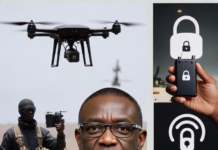
In addition to energy management, security concerns have driven the adoption of smart home technologies. With rising crime rates in urban areas, many homeowners are investing in smart security systems that include surveillance cameras, motion detectors, and smart locks. These systems can be monitored via smartphones, providing homeowners with real-time updates and control over their property.
Local technology firms and international companies have begun to capitalize on this growing market. Startups specializing in smart home solutions are emerging, offering products tailored to the specific needs of Nigerian consumers. These companies are focusing on affordability and ease of use, ensuring that smart technologies are accessible to a broader audience.
Despite the benefits, challenges remain. The high cost of some smart home devices can be a barrier for many potential users. Additionally, the lack of stable internet connectivity in some regions can hinder the functionality of these technologies. However, many homeowners are willing to invest in smart solutions, viewing them as a long-term investment that can enhance their quality of life.
Industry experts suggest that as awareness of smart home technologies increases, more Nigerians will adopt these innovations. The trend is expected to continue growing, particularly as the government and private sector work towards improving the power supply and infrastructure.
Furthermore, the COVID-19 pandemic has accelerated the shift towards smart home technologies, as more people spend time at home and seek to create comfortable and secure living environments. This shift has prompted a surge in demand for home automation products, with many consumers prioritizing features that enhance convenience and safety.
As the market for smart home technologies expands, collaborations between local and international firms are likely to increase. Partnerships can lead to the development of products that are better suited to the Nigerian market, addressing specific challenges such as power outages and security concerns.
In conclusion, the investment in smart home automation by Nigerian homeowners reflects a proactive approach to addressing the dual challenges of power supply and security. As technology continues to evolve and become more accessible, it is anticipated that smart home solutions will play a significant role in shaping the future of residential living in Nigeria.