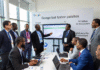
Ngozi Okonjo-Iweala, the Director-General of the World Trade Organization (WTO), has urged Nigeria to shift its focus from importing technology to fostering local production. Speaking at a recent technology summit in Lagos, Okonjo-Iweala highlighted the importance of developing a robust local tech ecosystem to drive economic growth and create jobs.
During her address, she pointed out that Nigeria has a wealth of human capital and entrepreneurial spirit that can be harnessed to build a sustainable technology sector. “We have the talent, the creativity, and the drive to innovate right here in Nigeria,” she stated. “What we need is the commitment to invest in our local industries and support our entrepreneurs.”
Okonjo-Iweala’s comments come at a time when Nigeria’s reliance on imported technology has been a growing concern. The country spends billions of dollars annually on tech imports, which has implications for its foreign exchange reserves and overall economic stability. By focusing on local production, she argues, Nigeria can reduce its dependency on foreign technology and improve its trade balance.

The WTO Director-General emphasized that local production would not only enhance Nigeria’s economic resilience but also create job opportunities for the youth. With a significant percentage of Nigeria’s population under the age of 30, the need for employment is critical. “Investing in local tech production can provide jobs for our young people and help them contribute to the economy,” she noted.
Okonjo-Iweala also called for increased collaboration between the government, private sector, and educational institutions to build a strong foundation for local tech manufacturing. She suggested that policies should be put in place to incentivize local production and support startups in the technology sector. “We need to create an environment where innovation can thrive, and that requires a concerted effort from all stakeholders,” she said.
In addition to local production, Okonjo-Iweala highlighted the importance of investing in research and development (R&D). She urged Nigerian companies to prioritize R&D to foster innovation and competitiveness in the global market. “We cannot afford to lag behind in technology; we must invest in our future,” she stated.
The summit also featured discussions on the role of technology in addressing various challenges facing Nigeria, including healthcare, education, and agriculture. Experts emphasized that leveraging technology could lead to significant improvements in these sectors, ultimately benefiting the broader economy.
Okonjo-Iweala’s call to action has resonated with many stakeholders in Nigeria’s tech community. Entrepreneurs and industry leaders have expressed their support for her vision of a self-sufficient tech ecosystem. However, some have raised concerns about the challenges that lie ahead, including inadequate infrastructure, access to funding, and regulatory hurdles.
Despite these challenges, the sentiment among many is that a shift towards local production is not only necessary but also achievable. The Nigerian government has already taken steps to promote local manufacturing through various initiatives, but more needs to be done to create a conducive environment for growth.
As Nigeria navigates its path towards a more self-reliant tech sector, Okonjo-Iweala’s insights serve as a reminder of the potential that lies within the country. With the right investments and policies, Nigeria can transform its tech landscape and position itself as a leader in the African technology space.